Case Report
Spontaneous Coronary Artery Dissection Presenting as Acute Chest Pain in a Young Woman: A Case Report
Carolina Mendez, MD*; Yuki Tanaka, MD; Amelia Brown, MD
Vol. 2, Issue 2 · July 01, 2026
Abstract
Background. Spontaneous coronary artery dissection (SCAD) is an under-recognized cause of acute coronary syndrome, particularly in young women without conventional risk factors.
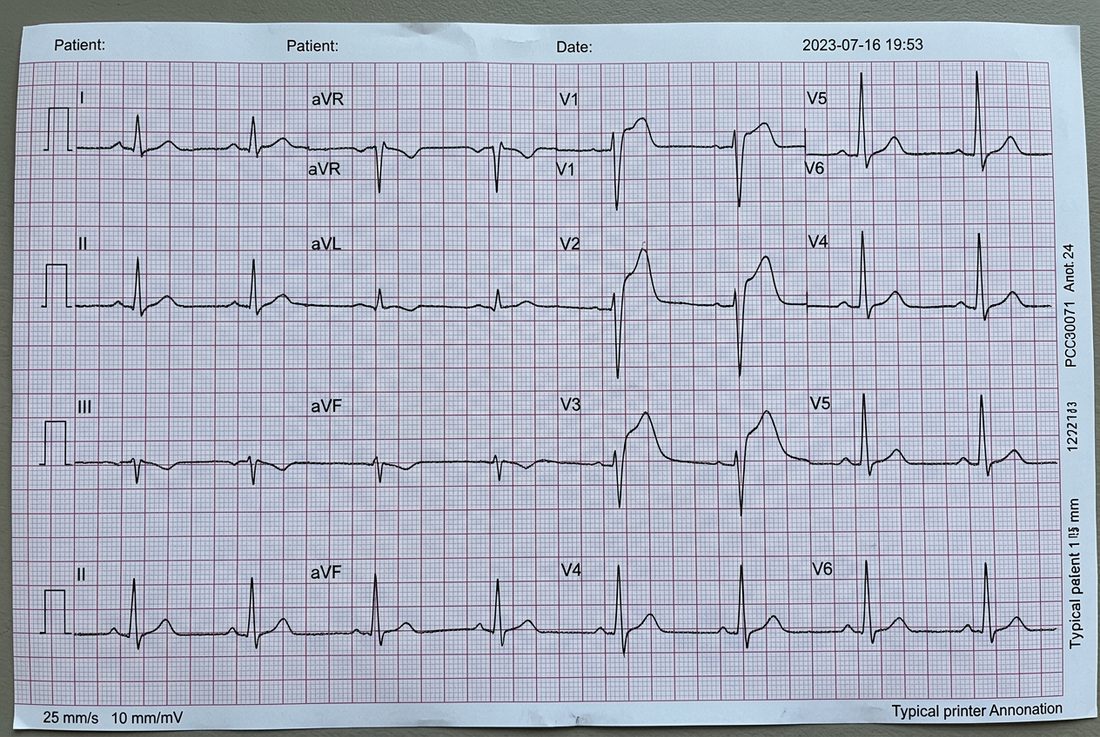
Methods. A 38-year-old woman presented to the emergency department with acute chest pain and dynamic electrocardiographic changes.
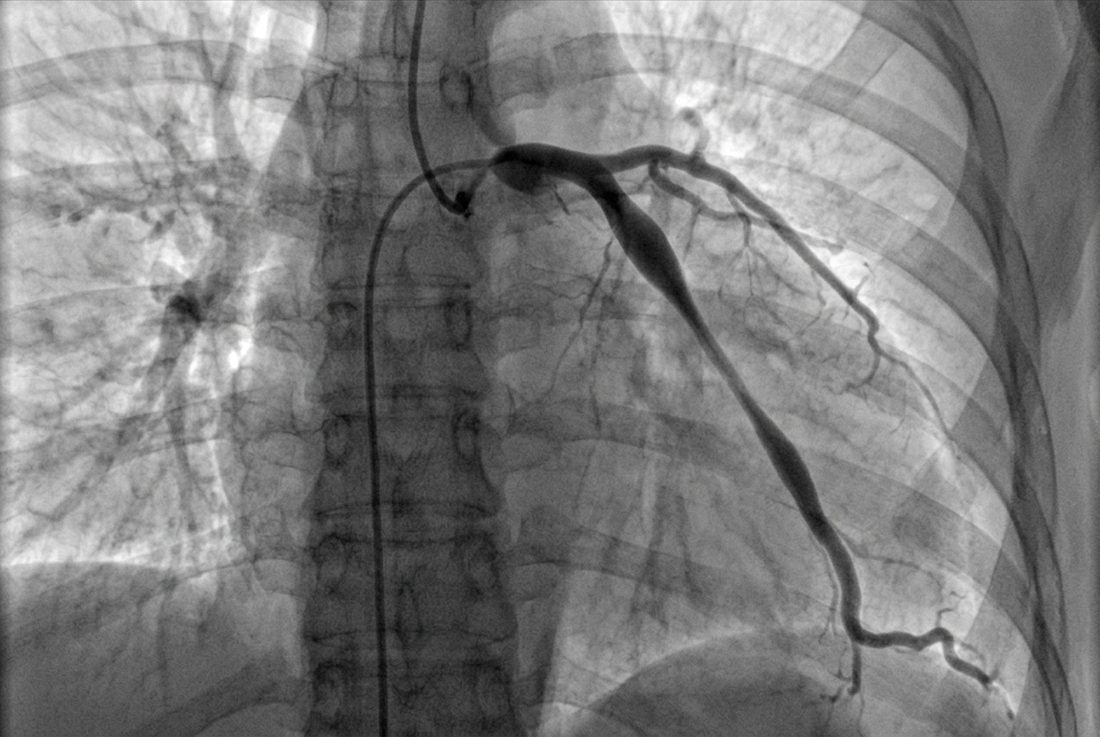
Results. Troponin was elevated and coronary angiography revealed a type 2 dissection of the left anterior descending artery. She was managed conservatively with resolution on follow-up imaging.
Conclusions. SCAD should be considered in young women with acute coronary syndrome. Recognition is crucial because management differs from atherosclerotic disease.
Keywords
spontaneous coronary artery dissectionacute coronary syndromeyoung womanemergencycoronary angiography
INTRODUCTION
SCAD accounts for a meaningful proportion of acute coronary syndromes in women under 50. Unlike atherosclerotic infarction, it results from separation of the arterial wall layers, and stenting may worsen the dissection. Spontaneous coronary artery dissection is increasingly recognized as an important cause of acute coronary syndrome and myocardial infarction in younger women, in whom traditional atherosclerotic risk factors are frequently absent. It is often precipitated by physical or emotional stress and may be associated with fibromuscular dysplasia or the peripartum state.
METHODS
We describe the emergency presentation, investigations, management and outcome.
RESULTS
Serial electrocardiograms showed evolving anterior changes; high-sensitivity troponin rose. Angiography demonstrated a diffuse, smooth narrowing typical of type 2 SCAD without atherosclerosis. Given preserved flow and stability, conservative management with antiplatelet therapy and beta-blockade was chosen, with angiographic healing at eight weeks.
DISCUSSION
A high index of suspicion is essential in young women, especially in the peripartum period or with fibromuscular dysplasia. Conservative management is favored for stable patients because most dissections heal spontaneously. Because the pathophysiology differs fundamentally from atherothrombosis, a conservative strategy is favored for hemodynamically stable patients, as most dissections heal spontaneously; percutaneous intervention carries a risk of extending the dissection. Recognition in the emergency department is therefore pivotal to avoid inappropriate and potentially harmful treatment.
CONCLUSION
Emergency physicians should recognize SCAD as a distinct cause of acute coronary syndrome to avoid inappropriate intervention.
article.figures
References
- Hayes SN, Kim ESH, Saw J, et al. Spontaneous coronary artery dissection: JACC state-of-the-art review. Circulation. 2018;137(19):e523-e557.
- Saw J, Aymong E, Sedlak T, et al. Spontaneous coronary artery dissection: association with predisposing arteriopathies. Circ Cardiovasc Interv. 2014;7(5):645-655.
- Tweet MS, Hayes SN, Pitta SR, et al. Clinical features, management, and prognosis of SCAD. Circulation. 2012;126(5):579-588.